Core Instructional Areas.

ESTI's curriculum is organized around six instructional pillars that map directly to the systems technicians install, configure, and troubleshoot in the field. Each area is taught in sequence and reinforced through our capstone project.
Abstract digital circuit board pattern with light blue interconnected lines, nodes, and arrows on a transparent background.

ESTI’s instructional framework is built around applied, hands-on technical education aligned with current industry practices in electronic security and low-voltage systems. The focus areas below represent the full scope of what students will install, configure, test, and commission during the Electronic Security Technician Program.

Every focus area combines morning lecture and demonstration with afternoon supervised lab time on dedicated tech walls. Students move from component-level understanding through system-level competency — and into integrated commissioning during the capstone.

Core Access Control
01

Electronic Access Control Systems

Students install, wire, configure, and troubleshoot commercial access control systems — from door hardware and power through system testing. Emphasis is placed on real-world installation practices and troubleshooting methodologies commonly encountered in the field.

Key Skills

  • Door hardware, strikes, automated operators, and mag-lock installation
  • Power integration using LSP and Altronix Trove enclosures
  • Reader wiring, REX devices, and supervised inputs
  • Fault isolation and troubleshooting methodologies
Program timing: Days 3-5 (three full days of focused instruction and lab work)
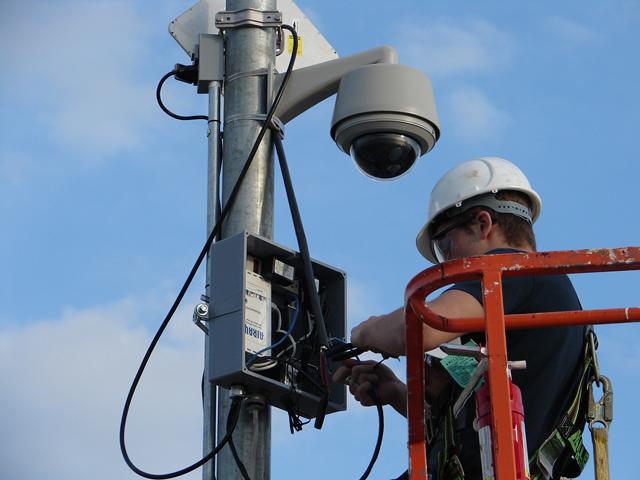
Technician wearing a white hard hat working on electrical wiring inside a metal box mounted on a pole beneath a security camera.
02

Video Surveillance Technologies

This focus area addresses the technical fundamentals of video surveillance systems,including camera technologies, system architecture, signal transport, troubleshooting and operational considerations. Instructional design emphasizes practical understanding of system setup, performance factors, and integration within broader security environments.

Key Skills

  • IP camera install, alignment, and field-of-view optimization
  • Camera hardening and bandwidth planning for camera systems
  • Troubleshooting camera outages, and image-quality issues
  • Integration with access control and intrusion platforms
Program timing: Day 6
Core Intrusion
03

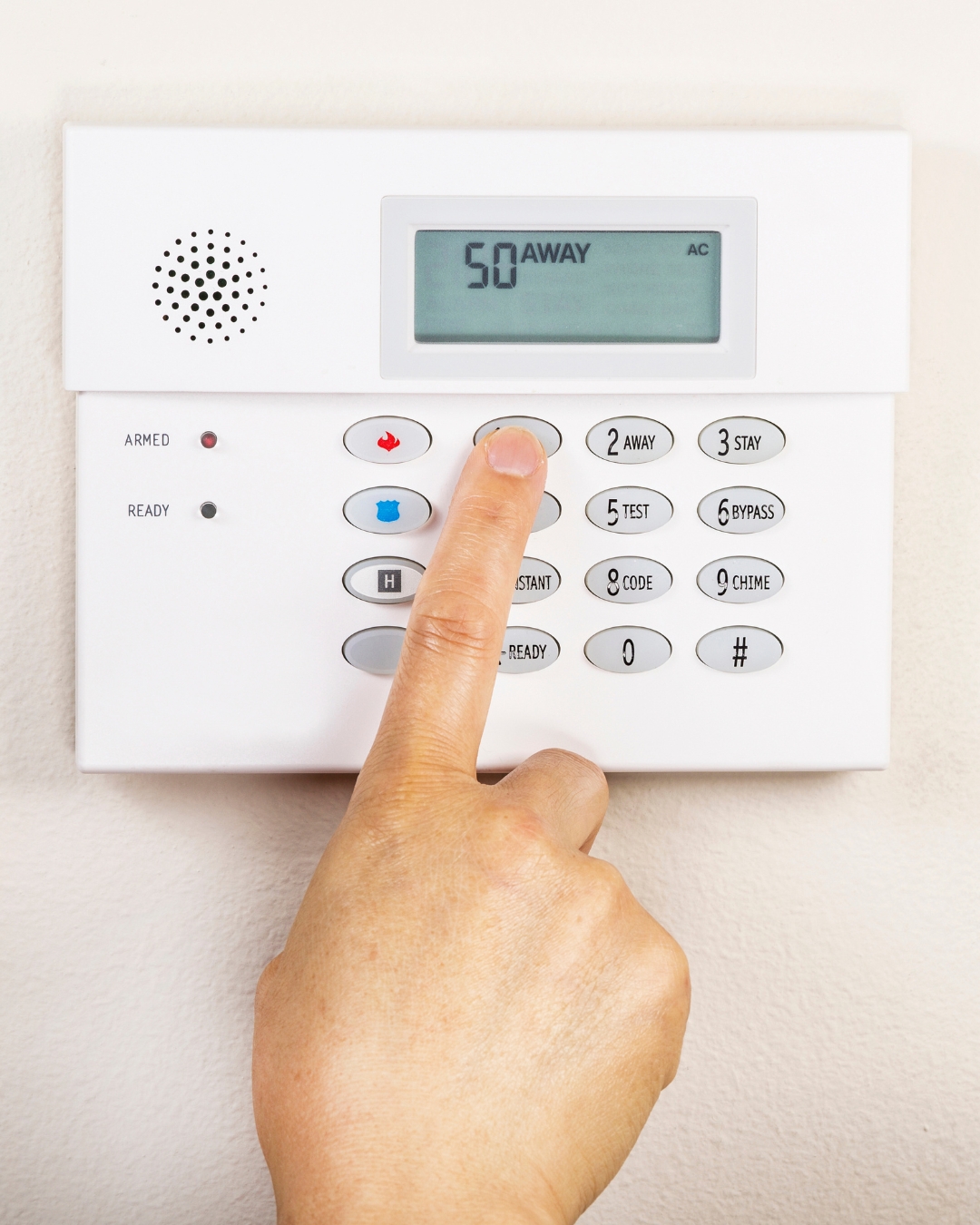
Intrusion Detection Systems

Instructional content covers intrusion detection and alarm systems with an emphasis on system components, wiring practices, device placement, troubleshooting, programming considerations, and functional testing. Reliability, safety, and compliance awareness are integral to this instructional area.

Key Skills

  • Zone wiring, device termination, and troubleshooting
  • End-of-line (EOL) supervision and tamper response
  • Panel and keypad programming and partition configuration
  • Motion detector and glass-break placement and testing
  • Communicator setup
Program timing: Day 7 (paired with intercom instruction)
core intercom system
04

Intercom & Communication Systems

Instructional development in this area focuses on modern intercom and communication systems used in multi-tenant, commercial, and enterprise environments. Emphasis is placed on system architecture, device types, wiring and network considerations, and applied troubleshooting.

Key Skills

  • IP and analog intercom station installation
  • Door station and entry system integration
  • Call routing, paging zones, and answering station setup
  • Integration with access control for video verification at entry
  • Troubleshooting, commissioning and user-level walkthrough at handoff
Program timing: Day 7 (paired with intrusion detection instruction)
CORE LOW VOLTAGE INFRASTRUCTURE
05

Low-Voltage Infrastructure & System Integration

This focus area centers on the low-voltage infrastructure that supports modern electronic security systems. Instructional development emphasizes cabling practices, termination standards, troubleshooting, structured wiring, and system integration concepts across multiple technologies. This is where individual system skills come together.

Key Skills

  • Networking fundamentals: VLANs, PoE, IP addressing, patch panels, diagnostics (a dedicated full day)
  • Structured cabling installation and termination standards
  • Cross-system integration between access, video, intrusion, and intercom
  • Troubleshooting, commissioning workflow, and professional system handoff
Program timing: Day 2 (networking fundamentals) + Day 8 (integration and commissioning)
Core Safety Practices
06

Safety Practices & Compliance Awareness

Safety and compliance considerations are integrated across all instructional areas. ESTI’s framework emphasizes awareness of industry safety practices, proper equipment handling, and operational responsibility within technical and laboratory environments.

What the Program Covers

  • Job-site safety practices reinforced daily in lab
  • Informational content from NEC and BICSI
  • Reading and interpreting technical drawings
  • Fire-rated walls, doors, and penetration requirements
  • Optional OSHA 10 and Aerial Lift Safety certifications, available alongside or independent of the core program for students seeking additional credentials
Program timing: Day 1 (professional practice) + reinforced throughout the program + separate OSHA 10 and Aerial Lift Safety weekend program

Our Instructional Approach.

Across all focus areas, ESTI’s instructional philosophy emphasizes four consistent principles:

Hands-On, Instructor-Led Learning

Lab work is the default mode of learning — not an afterthought

Reinforcement of Professional Standards & Accountability

Students are held to field expectations from day one

Use of Industry-Standard Tools & Equipment

The same gear, the same platforms, and the same workflow as the job

Scenario-Based Technical Problem Solving

Failures are built into the curriculum so troubleshooting becomes instinct

Learn How to Enroll in the Next Cohort.